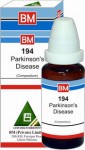
Composition: DuboisiaD30+100C, HaloperidolD20+200C, MajeptilD20+200C, Rauwolfia SerpD30+100C, ReserpineD20+200C Specific Indication: The specific symptoms of parkinsons disease are tremor, stiffness, slowness of movement, loss of balance, tiredness and depression. General Indication: Parkinson develops slowly as the nerves of the substantia nigra gradually degenerate. Usually the start of the symptom is sometimes tremor or slowness of movement. Apart from medication, people with parkinsons can achieve a lot of benefit from a range of self help activities that is exercise, sleep, work simplification and energy conservation. The general symptoms of parkinsons includes tremor in 70% people which usually begin in one hand or one arm. Muscular or rigidity or stiffness is also common early sign and in the later stage the symptoms of loss of balance appears. There may also be the sensitiveness of skin and pain, constipation because of the reduced ability of the bowel, tiredness and approximately one third of the people with parkinsons experience depression at some time. Dosage: Adult: 10-15 drops, children half of the same, 3-4 times a day in some water or as prescribed by a Homoeopathic doctor. Availability: 30mL drops standard quality packing
Composition: HelliboreD3+30C, CantharisD3+30C, Ars. AlbD3+30C, Apis MelD3+30C, Berb VulgD3+30C, LycopodiumD3+30C Specific Indication: Specific symptoms of nephritis haematuria, foamy appearance to urine, swelling of any area of the body, elevated blood pressure, sometimes fever, rash and generalized aches. General Indication: In general Nephritis is produced by the trapping of antigen-antibodies complexes in the renal parenchyma. This is a process of inflammation and cell proliferation which damages normal renal tissues. Nephritis is an inflammation of the kidney caused by the (SLE) systemic lupus erithmatosus, a disease of the immune system. The SLE causes harm to skin, joints, kidneys and brain. Though the causes of SLE are unknown but many of the factors play a role including gender, hereditary infections, viruses, an environmental causes. Some important symptoms of nephritis are as under. Excess of lactic acid from too much sugar. Sore eructation and taste. Sore vomiting. Flatulence and colic. Jaundice. Oxaluria. Anaemia. Incontinence. Bladder irritation, polyuria. Diurnal enuresis. Croupous nephritis. Haemoglobinuria. Parenchymatous nephritis with stomatitis. Toxaemic conditions of pregnancy. Hepatitis. Septicaemia. Anaemia. Glycosuria and increased urine. Nephritis. Diabetes, degeneration of the liver. High blood pressure and dropsy. Diuresis and incontinence. Burning in urethra and acid urine. Enuresis. Anuria. Albuminous urine. Turbid urine. Pyrogenic bacteria. Dosage: Adult: 10-15 drops, children half of the same, 3-4 times a day in some water or as prescribed by a Homoeopathic doctor. Availability: 30mL drops standard quality packing
Composition: Berberis VulgD4+40C, CantharisD4+40C, EquisetumD6+60C, Eupator. PurpD3+30C, DulcamaraD4+40C Specific Indication: Inflammation of the kidney, renal calculi, sharp stinging pain in the kidneys, pains in the sacral region. Peritonitis, metritis, piercing pain in the bladder, inflammation of the bladder, burning pains when urinating, yellow urine and turbid. General Indication: Piercing pains in the renal region, worse from pressure, pains in the sacral region, rigidity and numbness of back. Dull pains in the renal region, burning pains when urinating, constant urge to do so. Urine passed in drops, reddish, glairy, tinged with blood, cystitis. Enuresis, bladder irritations (mainly in women). Especially indicated in the cases of bladder irritation. Frequent urine urge, painful with abundance or lack of urine which is coloured, glairy. Irritation of bladder, constant and painful urge to urinate. Paralysed bladder, worse in damp weather. Specific effect on the mucosa of the bladder & smelly urine. Dosage: Adult: 10-15 drops, children half of the same, 3-4 times a day in some water or as prescribed by a Homoeopathic doctor. Availability: 30mL drops standard quality packing
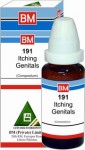
Composition: Ambra GriseaD200+200C, MedorrhinumD200+200C, Sulphuric AcidD200+200C, KreasotumD200+200C, Nitric AcidD200+200C Specific Indication: Genital itching accompanied by vaginal discharge (in case of female). Genital itching regardless to any gender may be due to allergy of skin condition. Friction and fungus are the two primary causes of genital itching. Dr. William Dvorine says; skin rubbing against skin generates heat and sweat to produce tender, red and itchy patches. General Indication: Itching of genitals can be caused by an infection, which you might have caught by having sex with someone who is infectious. Here are some general symptoms which may lead to genital itching that is genital sores, genital ulcers, painful open genital ulcers, genital blister, skin rash around the genital region, penile sores, vaginal soreness, external as well as internal pain after sex. Pain between anus and genital. Genital skin itching is quite a common problem and can be very uncomfortable, distressing and embarrassing as well. BM itching genitals Compositum is quite useful to eliminate these symptoms. Dosage: Adult: 10-15 drops, children half of the same, 3-4 times a day in some water or as prescribed by a Homoeopathic doctor. Availability: 30mL drops standard quality packing
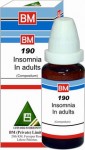
Composition: Avena SativaD1+10C, ValerianaD1+10C, Humulus LupD2+20C, CoffeaD4+40C, IgnatiaD6+60C, Zincum ValD6+60C Specific Indication: Specific symptoms of insomnia include vexation, palpitation, dizziness, tinnitus, amnesia, soreness in the loins, oneirogmus, dysphoria with feverish sensation, dry mouth, red tongue and rapid pulse. General Indication: Insomnia is a morbid condition with a symptom of no regular sleep. Insomnia is commonly experienced in adults, sleep disorders are associated with and complicate a number of medical conditions. The general symptoms of insomnia includes irritability, amnesia, thirst with preference to drink, red eyes, bitter taste, dark urine, constipation, red tongue with yellow fur, rapid pulse, heavy feeling in head, oppressed feeling in the chest, aversion to food, eruption acidic regurgitation, bitter taste, etc. Dosage: Adult: 10-15 drops, 3-4 times a day in some water or as prescribed by a Homoeopathic doctor. Availability: 30mL drops standard quality packing
Composition: Artemisia VulgarisD200+200C, Castoreum SibiricumD200+200C, CrocusD200+200C, Kali PhosD200+200C, TarentulaD200+200C Specific Indication: A physiological conflict converted into the bodily disturbance is known as hysteria. The specific symptoms include, wants to be center of attention, inappropriate behaviour even sexually, superficial expressions of emotions, easily influenced. etc. General Indication: According to the diagnostic and statistical manual of mental disorders 4th edition (DSM-IV), individuals with histrionic possess at least five of the following symptoms and features, conversion disorder affects motor and sensory functions, stomatization affects the gastrointestinal, nervous, cardio pulmonary or reproductive system. Disorders with hysteria features typically begin in adolescence or early childhood. Some further symptoms includes: a need to be the center of attention, inappropriate, sexually seductive, or provocative behavior while interacting with others, rapidly changing emotions and superficial expression of emotions, vague and impressionistic speech (gives opinions without any supporting details), easily influenced by others, believes relationships are more intimate than they are. Dosage: Adult: 10-15 drops, 3-4 times a day in some water or as prescribed by a Homoeopathic doctor. Availability: 30mL drops standard quality packing
Composition: Allium CepaD7+70C, AnthuxanthumD200+200C, Arum MaculatumD200+200C, ArundoD30+30C, Mixed PollenD30+30C, Phleum PratenseD6+60C, SabadillaD3+30C, Nat ArsD6+60C Specific Indication: The specific symptoms of hay fever includes itchy and watery eyes, frequent sneezing, runny nose, itching on the roof of mouth, coughing, wheezing, burning, sneezing and burning sensation in the throat. General Indication: Hay fever is also known as pollen allergy, seasonal allergy, rhinitis or pollinosis. Different microscopic substances get into the nose and cause the body to produce antibodies and release histamine. Histamine irritates the upper respiratory passages, making them swell and producing the typical hay fever symptoms. A tendency to suffer allergies is often hereditary. The general symptoms of hay fever includes tree pollen allergy, grass pollen allergy, house dust allergy and mites allergy causes watery nasal discharge, sneezing, itching of eyes and nose, coughing, wheezing and burning sensation in the throat. Dosage: Adult: 10-15 drops, children half of the same, 3-4 times a day in some water or as prescribed by a Homoeopathic doctor. Availability: 30mL drops standard quality packing
Composition: ArnicaD6+60C, Ferr. PhosD4+40C, IgnatiaD7+70C, SilicaD6+60C, HypericumD7+70C Specific Indication: Emotional shock includes shock of an event, the resulting physiological reaction, the resulting physiological cycle, the persisting physiological pattern and chronic state of body/mind with the symptoms of deep feeling of insecurity, unexplained confusion or sensitivity, irrational distressed or fear, profound grief and feeling of disconnection from soul. General Indication: Peter Chappell said: emotional environment that depresses the immune system and allowed the tissue changes to take place, for Peter Chappell the physiological changes that allow illnesses to develop and prevent the natural healing ability of the body from curing them, all are important. In this honest and out spoken book he has drawn not only on his extensive experience as a homoeopathic practitioner but also on his own life and personal exploration with psychotherapy. It is his view that the susceptibility to disease is usually created by a severe emotional shock to the system. This shock may occur at any stage of life. The homoeopathic approach to the patient varies between two poles. On the one hand the homoeopathic doctor prescribe for the presenting illness, while on the other, he listens in silence waiting for the patient to reveal the true center of his problem. The general signs of the shock in adults includes elevated stress harmones (as measured on the adrenal stress index saliva test), as well as the inability to shift or heal. Further signs are long standing patterns sometimes productive and sometimes not. Patient feels insecurity after a shock, ununderstandable confusion and sensitiveness, distressed and profound grief, and feeling of disconnection from God. etc. Dosage: Adult: 10-15 drops, 3-4 times a day in some water or as prescribed by a Homoeopathic doctor. Availability: 30mL drops standard quality packing
Composition: Ferr. IodD12+100C, Acid PhosD12+100C, Sulphur IodD12+100C, Calc IodD12+100C, Acid NitricD12+100C Specific Indication: Irregular blood circulation, general exhaustion, stirs up suppressed conditions, also acts on thyroids and palpitations. General Indication: This remedy stimulates the defensive mechanism of the enfeebled organisms. It also increases the resistance obtained through the effectiveness of the remedies included in this Compositum. Irregular blood circulation, pale face, palpitation at least exertion, headache, feeling of weariness, heaviness and numbness of the limbs, vertigo, disturbed viscosity of the blood and nocturnal perspiration are the general symptoms of this remedy. Dosage: Adult: 10-15 drops, children half of the same, 3-4 times a day in some water or as prescribed by a Homoeopathic doctor. Availability: 30mL drops standard quality packing
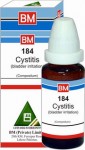
Composition: TriticumD4+40C, ThlaspiD4+40C, BuchuD4+40C, TerebinthinaD4+40C, Lithium BenzD6+60C, Benzoic AcidD10+100C Specific Indication: The specific symptoms of cystitis (bladder irritation) includes enuresis, burning of urethra, irritation of the neck of the bladder, excess of uric acid, uneasiness in the bladder, polyuria, great quantity of colourless urine. General Indication: Cystitis is usually caused when bacteria enters the urethra or bladder and causes inflammation and infection. It is very common condition and more often occurs in females because their urethra is shorter and closer to the anus. The symptoms of cystitis include constant feeling of wanting to urinate, even though you might not have any urine to pass. Burning in urethra at the time of urination. Urine cloudy or sometimes have blood in it. Dragging ache in the lower back or abdomen. Other symptoms includes repulsive odour of urine, irritation at neck of bladder, offensive discharges, mucous and pus in the urine, sore eructation and taste. Dosage: Adult: 10-15 drops, children half of the same, 3-4 times a day in some water or as prescribed by a Homoeopathic doctor. Availability: 30mL drops standard quality packing
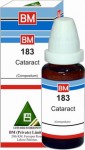
Composition: AgaricusD200+200C, Baryta CarbD200+200C, Calcarea FluorD30+100C, Cineraria MarD200+200C, Hedera HelixD200+200C, Mag CarbD30+100C, NaphthalineD200+200C Specific Indication: The specific symptoms of cataract includes cloudy fuzzy, foggy or filmy vision changes in the way you see colours, driving problems at night, frequent changes in the eye sight number and double vision. General Indication: Cataract is detected through a comprehensive eye examination that includes visual acuity test, dilated eye examination and tonometry. The most common type of cataract is related to the ageing of the eye and other causes of cataract includes family history, medical problems such as diabetes, injury to eye, medications especially steroids, long term unprotected exposure to sunlight, previous eye surgery and some unknown factors as well. The most common factors of cataract includes cloudy and blurry vision, colour seem faded, glare or sunlight may appear too bright, a halo may appear around lights, poor night vision, double vision or multiple images in one eye, if you have any of these symptoms BM Cataract Compositum may be helpful to you. Dosage: Adult: 10-15 drops, children half of the same, 3-4 times a day in some water or as prescribed by a Homoeopathic doctor. Availability: 30mL drops standard quality packing
composition: AnthracinumD100+100C, LachesisD200+200C, Merc SolD100+100C, Muriatic AcidD200+200C, Fever Serum NosodeD100+100C Specific Indication: Carbuncle is an inflammatory condition of the skin which usually appears due to an infection, by the germ known as staphylococcus. A boil suddenly appears, skin swells, and gradually becomes purplish and hard, numerous holes are observed in the raised spots within 5 to 6 days. Very little pus is discharged from these holes with the symptoms of considerable fever, carbuncle complications and skin abscess. General Indication: A carbuncle consists of several furuncles that develop close together. They expand and joint together to form a larger mass with multiple drainage points. Sometimes they develop slowly and may be so deep that they do not drain on their own. Carbuncle may develop any where, but they are most common on the back and the nape of the neck. Staphylococcus skin infections are contagious they may spread to other areas of the body and may spread to the other people. It is not uncommon for the several family members to be affected at the same time. Poor hygiene, run down physical condition, friction from clothing or shaving may become the cause of carbuncles. Diabetic patients and the people with suppressed immune system are more prone to development of staphylococcus skin infections. The symptoms includes raised skin, usually almond size, sometimes as large as golf ball, nodular like eruption, swollen pink or red, may grow rapidly, may develop white or yellow centers, may weep, ooze or crust. Dosage: Adult: 10-15 drops, children half of the same, 3-4 times a day in some water or as prescribed by a Homoeopathic doctor. Availability: 30mL drops standard quality packing
Composition: Adonis VernalisD6+60C, Apis MelD7+70C, Ars AlbD7+70C, Carduus MarD1+10C, HelleborusD10+100C, Kali IodD10+100C, PulsatillaD10+100C Specific Indication: Mechanisms that produce ascites are complex and incompletely understood. Free fluid within the abdominal cavity. The main causes include liver disease, nephrotic syndrome and tubercal infection. General Indication: Ascites is a disease which is also known as free fluid in the peritoneal cavity. Ascites may be of small amount or large amount with the symptoms of abdominal distention, discomfort, anorexia, nausea, gastroesophageal reflex, flank pain and respiratory distress. The patient with the complain of ascites usually have an enlarged belly with prominent feeling of heaviness and discomfort, the legs swell and the patient is breathless perhaps has palpitation. Patient must contact the family physician because this condition can convert into a serious illness. Ultrasound is the best diagnostic tool to determine the presence of free fluid (Ascites) in the abdominal cavity. Dosage: Adult: 10-15 drops, children half of the same, 3-4 times a day in some water or as prescribed by a Homoeopathic doctor. Availability: 30mL drops standard quality packing
Composition: Aconite NapD7+70C, Argentum nitD18+100C, ChamomillaD4+40C, CyclamenD4+40C, GelsemiumD6+60C, IgnatiaD10+100C, Mag murD20+200C, MoschusD4+40C, Nux vomicaD1+10C Specific Indication: Nervousness, anxiety, or sense of inappropriate fear. Shortness of breath, heart palpitation and tingling sensations in the extremities. Panic attacks. General Indication: Anxiety is an unpleasant emotional state ranging from mild unease to intense fear. Anxiety is often accompanied by a variety of symptoms relate to the chest, such as heart palpitation, throbbing or stabbing pains. A feeling of tightness and inability to take in enough air and a tendency to hyperventilate. Tension in the muscles of the back and neck often leads to headache, back pains, and muscle spasms. Other symptoms can include excessive sweating, dryness of mouth, dizziness, digestive disturbances, and the constant desire to urinate. Anxious individuals usually have fear that they have a chronic serious illness. Clinical anxiety, including panic attacks, can be produced as side effect of unsuited drugs. The most significant biochemical disturbance is noted in people with anxiety and panic indications, i.e. elevated blood lactate level. Dosage: Adult: 10-15 drops, teenagers half of the same, 3-4 times a day in some water or as prescribed by a Homoeopathic doctor. Availability: 30mL drops standard quality packing
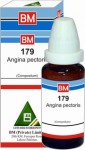
Composition: Acetylcholine ChlorideD30+30C, AdrenalinD100+100C, AconiteD100+100C, D.N.AD100+100C, Formic acidD100+100C, GlonoineD100+100C, HistaminumD100+100C, Mag PhosD100+100C Specific Indication: Paroxysmal pain, spread centrifugally to the arms, neck, jaw and epigastrium, down to the elbow up to the fingers. Intense emotional situation. Pulse feeble and irregular, acute pain, difficult respiration and spasmodic contraction of heart. General Indication: Pain in the region of the heart and originating there. It might run into the arm or the shoulder, often on the left side. The pain generally comes on account of strain exercise or fatigue. The pain is constricting because there is a sudden shortage of blood supply to the heart muscle. An increase in the severity of the pain or an increase in the frequency of the pain should be a sign for immediate professional consultation and great care. A condition with symptoms that are very liable to be mistaken for angina pectoris is the cause of great mental anguish to many men, especially youngish men, who think they have got the true angina. There is pain in the region of the heart, palpitation and sometimes pain down the left arm. Emotions bring on the attacks in men and women. Paroxysmal pain, caused by effort and other stimuli, is the cardinal feature of angina pectoris. There is constancy in its pattern. It is more common on the left than the right side of the chest and tends to spread centrifugally to the arms, neck, jaws and epigastrium, down to the elbow up to the fingers. Unusual effort, fast walking, a recent meal, cold air or worry, prolonged talking, argument or an intense emotional situation may bring on the attack. Dosage: Adult: 10-15 drops, teenagers half of the same, 3-4 times a day in some water or as prescribed by a Homoeopathic doctor. Availability: 30mL drops standard quality packing
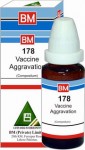
Composition: ThujaD4+40C, Calcarea Iod.D12+100C, VaccinumD100+100C, AnthracinumD100+100C, Fever Serum NosodeD100+100C Specific Indication: All kinds of aggravations caused by various types of vaccinations. Violent reaction of vaccination, skin hot and dry. Feverish symptoms. General Indication: This compositum is very useful for all kinds of aggravations caused by various types of vaccinations. Some people react violently to vaccination, others less. However this special BM compositum helps immediately in setting the symptoms. Head pain as if pierced by the nails, left-sided headache. Complete loss of appetite. Dislike for fresh foods. Limbs feel heavy, cracking in the joints. Light-headed feeling. Skin tends to be copper coloured. Hair falls out. Pain in the chest. Children subject to colds, and croup. Flatulence, distension with indigestion. Frontal headache. Skin hot and dry. Nervous depression. Irritability along with the symptoms of fear and fever. Dosage: Adult: 10-15 drops, children half of the same, 3-4 times a day in some water or as prescribed by a Homoeopathic doctor. Availability: 30mL drops standard quality packing